Mercer County, Ohio · Historical account
Black Settlement and Exclusion in Mercer County
Community, education, and the limits of freedom in nineteenth-century Ohio
In the nineteenth century, Mercer County offered Black Americans the possibility of farms, schools, and permanent homes. It also became the setting for an organized effort to deny them those opportunities. Alma May's 1968 University of Dayton thesis traces this history through laws, newspapers, church records, and court proceedings. Her account reveals how freedom from slavery could coexist with intimidation, restricted rights, and the loss of a promised future.
Ohio prohibited slavery, but its laws protected white privilege. Legislation adopted in 1804 required Black residents to register and newcomers to document their freedom. An 1807 law required newcomers to provide a $500 bond and barred Black testimony in cases involving white people. These restrictions made employment, settlement, and legal protection precarious. For families seeking security north of the Ohio River, crossing into a free state did not mean entering an equal society.
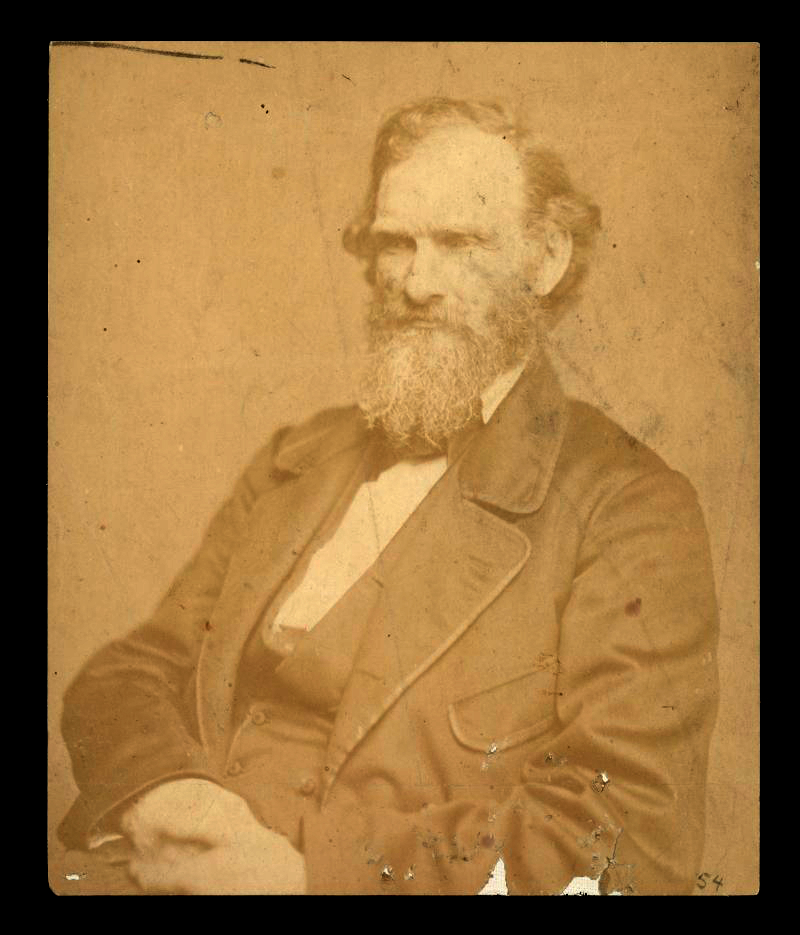
Educator Augustus Wattles began working with Black residents of Cincinnati in the 1830s. Convinced that landownership and rural schooling offered better prospects, he encouraged families to move to Mercer County beginning in 1835. Settlers established themselves primarily in Franklin, Marion, and Granville townships. They cleared land, raised crops, and supported a school whose attendance fluctuated with farm work. In a letter published in 1840, Mrs. Wattles described farmers producing substantial corn harvests, including one man who had previously purchased the freedom of his wife and children.
On December 28, 1840, Charles Moore, a Black landowner, laid out Carthagena in sixty-four lots. Black labor also contributed to nearby communities. May recounts how workers near Montezuma agreed to make bricks for a Celina hotel after its proprietor could not secure white workers. Some white neighbors tried to drive them away as paupers. The effort failed when their status as householders fulfilling a valuable contract became clear. The incident illustrates both their economic contribution and the hostility they faced.
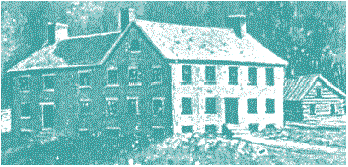
Wattles struggled to finance his school until he connected with trustees of Samuel Emlen's estate. Emlen, a Quaker philanthropist, had left $20,000 to educate boys of African or Indigenous descent in classroom subjects, agriculture, and trades. In 1843, the trustees purchased Wattles's farm, and he continued as superintendent of the Emlen Institute. The institution offered practical opportunity, although its charitable structure also reflected a period when white benefactors often assumed authority over Black education.
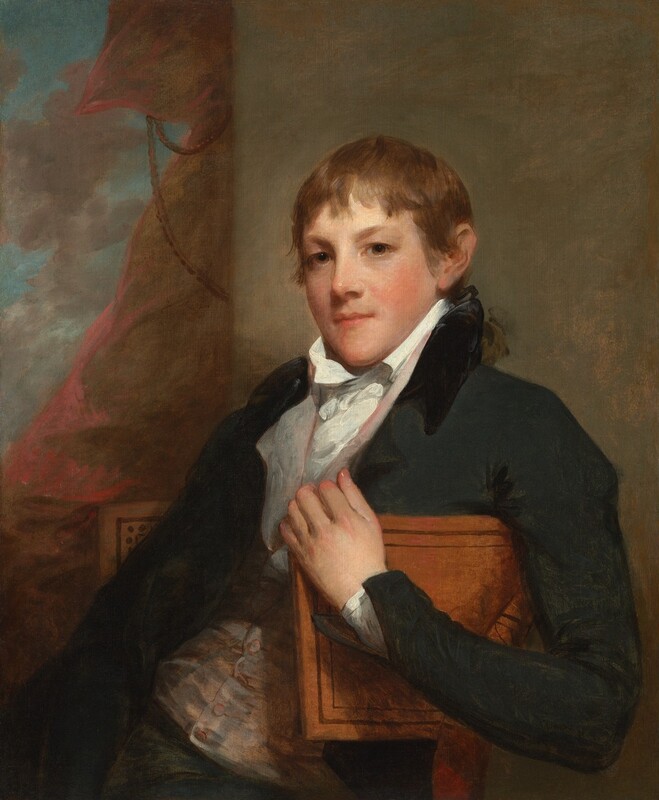
A much larger migration brought the county's racial conflict into sharp focus in 1846. Virginia politician John Randolph had made conflicting wills concerning the people he enslaved. Litigation following his death in 1833 delayed their emancipation for thirteen years, during which they remained in bondage and were hired out. Finally freed in May 1846, hundreds began traveling toward Ohio. Executor William Leigh had purchased approximately 3,200 acres in Mercer County for their settlement, near an existing Black community.
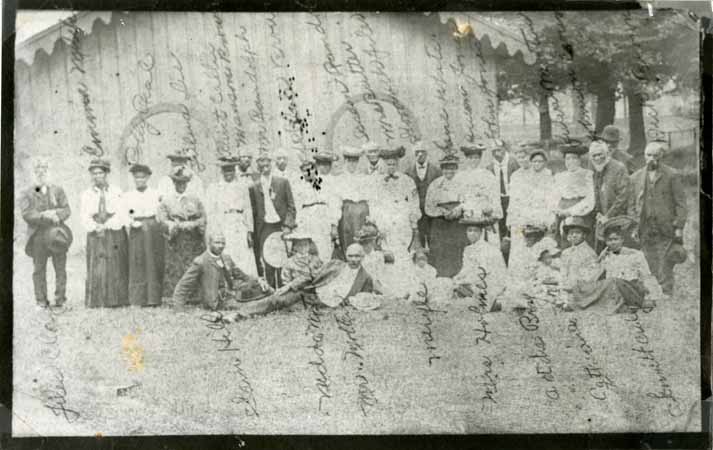
The travelers included children and elderly people. After reaching Cincinnati, they continued by canal through Dayton toward New Bremen. Decades later, participant Clem Clay recalled their evening singing, their arrival, and their disappointment when a mob refused them passage to their intended homes. His recollection brings individual experience into a history often told through the decisions of executors, politicians, and white opponents.
The confrontation was organized rather than spontaneous. White residents gathered under designated leaders and adopted resolutions opposing Black settlement, threatening existing Black residents with removal, and proposing a boycott of their labor and business. According to a contemporary newspaper account reproduced by May, armed men surrounded the travelers' camp at New Bremen. Their escort, Mr. Cardwell, offered financial security for a brief stay and even offered to remain in jail himself. Both proposals were rejected. Under coercion, he chartered boats, and the group departed under armed escort to the county line.
Opponents portrayed exclusion as protection for farms and property values. Other newspapers condemned the action. The Sidney Aurora, as quoted in May's thesis, accused some participants of having profited from land sales, buildings, and provisions before helping prevent settlement. Such accusations require attribution, but they expose the economic interests surrounding the confrontation. Wattles also reported that opposition varied by township, cautioning against treating every white resident as a participant. That variation did little to protect the people actually turned away.
Back near Piqua and Sidney, the freedpeople faced uncertainty rather than the secure landholding community envisioned for them. Opposition also obstructed a proposed settlement in Shelby County. Families and individuals found places where they could, initially working on farms and later in industry. Leigh arranged for the Mercer County property to be sold. Yet the freedpeople's history did not end with displacement: descendants maintained connections, and annual reunions began in Miami County in 1903.
Mercer County's established Black population survived the 1846 crisis and continued growing for a time. May's census figures rise from 199 in 1840 to 606 in 1860, then fall to 55 by 1930. Wattles faced threats and resigned from the institute in 1848 because of failing health. The Emlen property was sold in 1857, and the institution relocated to Pennsylvania. May identifies white hostility and difficulties of distant administration as explanations. Later population decline involved employment, family migration, and possibly continuing pressure; her evidence does not establish one cause for every departure.
In 1907, descendants brought suit over the Randolph lands. The Ohio Supreme Court upheld the sales in 1917, citing Leigh's discretion, the absence of individual allotments, and the passage of time. It presumed proper use of the proceeds absent contrary proof. May questioned whether the beneficiaries received their full inheritance, but missing accounts do not establish theft. Her thesis likewise needs critical reading for paternalistic judgments and uneven scrutiny of sources. Its strongest evidence nevertheless records an enduring injustice: armed exclusion disrupted a lawful search for homes, and later legal proceedings did not restore the promised land.